How to Launch a Sports Betting Site: An Operator Guide
Plan your sportsbook launch with practical guidance on platforms, licensing, odds, risk, payments, marketing and the first months of operations.
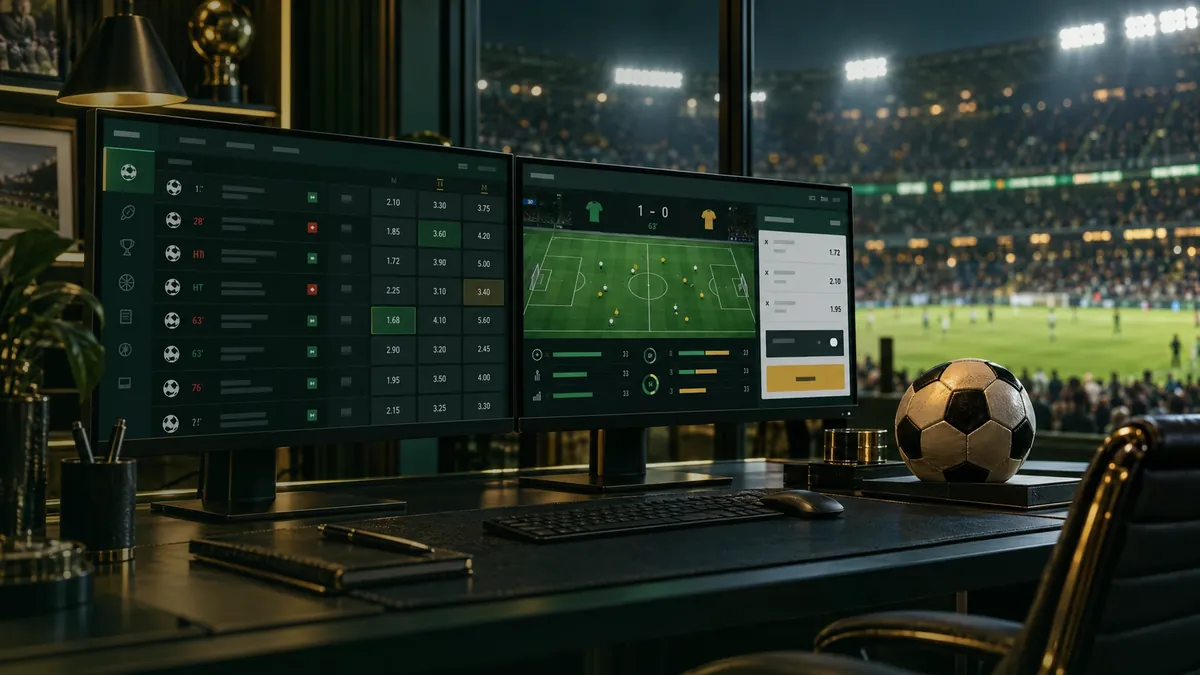
Launching a sports betting site is not just a platform purchase. Your real challenge is making the licence, betting product, payment flows and operating team work together before you accept the first wager. A polished website will not compensate for unreliable settlement, blocked withdrawals or a bonus campaign that attracts customers you cannot serve legally.
Start with one clearly defined market and a realistic operating model. Then build a launch plan around evidence: regulatory eligibility, supplier contracts, tested workflows and enough funding to support operations after opening day.
1. Define the market and operating model
Before requesting platform demonstrations, decide where your customers will be located, which sports they will bet on and why they would choose your brand. A broad ambition to serve international bettors is not an actionable market strategy.
Set the commercial boundaries
Document your initial assumptions:
- Target jurisdiction, permitted customer locations and required languages.
- Core sports, leagues and pre-match versus in-play coverage.
- Customer proposition, such as local sports expertise or straightforward mobile usability.
- Funding for setup, staffing, marketing, player liabilities and operating reserves.
- Ownership of trading, compliance, payments and customer support.
Model revenue conservatively. Betting turnover is not revenue, and gross gaming revenue is not operating profit. Account for bonuses, gaming taxes, supplier charges, payment fees, fraud losses and staffing before evaluating acquisition budgets.
Choose how much control you need
| Model | Potential advantage | Main diligence point |
|---|---|---|
| White-label arrangement | Fewer components to coordinate | Confirm the legal structure, operator responsibilities and data access |
| Turnkey sportsbook | Coordinated platform and launch services | Check what is included and which obligations remain yours |
| Modular or custom setup | More control over suppliers and product | Budget for integration, testing and ongoing technical ownership |
These labels are not standardised. Compare contractual responsibilities rather than relying on the supplier's description alone.
2. Establish licensing and compliance requirements
Confirm the legal route before signing long-term technology or advertising commitments. A licence issued in one jurisdiction does not automatically authorise you to target customers elsewhere. Some markets also impose local entity, technical certification, reporting or supplier approval requirements.
This is not legal advice; check current rules with the official regulator and qualified local counsel.
Turn obligations into workflows
Your compliance plan should connect each obligation to a system, owner and documented procedure. Cover identity and age verification, anti-money-laundering controls, sanctions screening where applicable, record retention, complaints and regulatory reporting.
Responsible gambling must be part of the product specification. Depending on local requirements, this may include deposit or loss limits, time-outs, self-exclusion, customer-risk monitoring and intervention processes. Confirm how restrictions apply across brands, channels and accounts.
Prepare ownership and funding documentation early. Regulators and financial partners may examine beneficial owners, source of funds, management suitability and business forecasts.
Licensing costs and timelines vary by jurisdiction, supplier and scope. Plan around dependencies rather than a promised opening date: applications, approvals, certification and banking can each determine when you are ready to launch.
3. Select and test the sportsbook platform
A sportsbook platform must do more than display markets. It needs to accept bets consistently, maintain accurate balances, settle results, enforce restrictions and give your team usable operational controls.
Evaluate the complete betting journey
Ask suppliers to demonstrate registration, verification, deposit, bet placement, settlement and withdrawal using realistic scenarios. Include suspended markets, changed odds, abandoned matches, rejected bets and interrupted connections.
Check these capabilities before contracting:
- Sports and market coverage appropriate to your audience.
- Mobile usability and performance during busy events.
- Clear bet acceptance rules and configurable limits.
- Player account, wallet and transaction reconciliation.
- Reporting, audit logs and role-based staff permissions.
- APIs, data exports and integration documentation.
- Support escalation, incident handling and recovery arrangements.
Clarify where the sportsbook ends and the player account management system begins. If casino is also planned, determine whether the products share a wallet, compliance controls and customer records.
Review commercial terms as carefully as functionality. Understand setup charges, minimum commitments, revenue-share definitions, third-party costs and termination conditions. Ask how customer data and outstanding bets would be handled if you changed suppliers.
4. Design odds, trading and risk management
Odds coverage and risk management are related but different services. An odds feed supplies prices and market data; managed trading may also handle market availability, price adjustments, bet limits and exposure monitoring. Neither removes the need for operator oversight.
Define trading responsibilities
Choose between outsourced trading, an internal team or a hybrid approach. Outsourcing can reduce staffing requirements, while internal trading provides more direct control but requires specialist expertise and reliable coverage.
Agree who is responsible for:
- Opening, suspending and closing markets.
- Monitoring event, market and customer exposure.
- Handling large bets and unusual betting patterns.
- Managing stale prices, feed failures and settlement corrections.
- Escalating integrity concerns and investigating suspicious activity.
Set exposure limits in relation to available funds and your risk appetite. Do not use competitor odds alone as a pricing strategy, and do not treat every winning customer as evidence of abuse.
Document settlement rules in clear customer-facing terms, including postponements, void bets and obvious pricing errors where permitted. Track disputed settlements and corrections after launch; recurring issues may reveal weaknesses in data, rules or operational handovers.
5. Build payments and daily operating controls
Payment providers must support your legal entity, gambling activity and target markets. A technically available payment method is not necessarily commercially available to your business or lawful for your customers.
Test the money movement
Confirm supported currencies, deposit and withdrawal methods, processing fees, settlement schedules, reserves and dispute procedures. Check whether customers can withdraw through the methods they are likely to use, rather than evaluating deposits alone.
Run end-to-end tests for successful, failed, pending and reversed transactions. Your wallet and payment records must reconcile without staff having to guess which balance is correct.
Daily operations also need clear ownership:
- Finance reconciles transactions and monitors liquidity.
- Support handles account, payment and betting questions.
- Compliance reviews verification exceptions and risk alerts.
- Trading manages market incidents and exposure.
- Technical staff coordinate outages and supplier escalation.
Define service expectations and escalation paths across time zones. During major sporting events, payment or settlement problems may generate a sudden support backlog.
Publish withdrawal conditions clearly and avoid unnecessary friction. Keep player funds arrangements aligned with local requirements, and maintain sufficient accessible liquidity for withdrawals and outstanding betting liabilities.
6. Launch carefully and manage the first months
Marketing should begin only when you know which channels, claims and promotions are allowed. Affiliate activity, sponsorships, bonus terms and direct messaging may all carry specific restrictions.
Use readiness gates, not just a calendar
| Launch gate | Evidence required |
|---|---|
| Legal readiness | Required approvals and approved customer-facing terms |
| Product readiness | Tested betting, settlement and account restrictions |
| Payment readiness | Successful deposits, withdrawals and reconciliation |
| Operational readiness | Trained staff, escalation contacts and incident procedures |
| Marketing readiness | Compliant creative, clear offers and affiliate controls |
Use a controlled initial rollout where permitted. Limit campaign spending until real transactions show that verification, payments and support work reliably. Acquisition cannot fix an operational failure; it usually makes the failure larger.
In the first month, review payment failures, withdrawal delays, settlement disputes, support demand and responsible-gambling alerts frequently. In the following months, refine onboarding, market coverage and campaigns using customer cohorts rather than registration totals alone.
Track acquisition cost alongside retained activity and contribution after bonuses and variable costs. Exclude self-excluded customers from promotions, honour consent requirements and review affiliates regularly. Retention should improve the customer experience, not pressure people to chase losses or continue betting after showing signs of harm.
How to move forward with VertaMatrix
Bring VertaMatrix a concise brief covering your target market, licensing position, preferred operating model, sports coverage and payment needs. Use the initial discussion to assess the sportsbook and turnkey infrastructure scope relevant to your launch, including integrations and any requirements for a connected casino product.
Before committing, request a written responsibility map, implementation dependencies and a commercial proposal separating platform services from third-party and operator costs. Confirm which payment, licensing advisory and marketing support services are available for your jurisdiction. The next step should be an agreed delivery scope and acceptance checklist—not an opening date chosen before the regulatory and operational work is understood.
Frequently asked questions
How much does it cost to launch a sports betting site?+
Costs vary by jurisdiction, supplier and scope, including licensing, platform fees, integrations, staffing and marketing. Request itemised proposals and budget separately for player liabilities, payment reserves and ongoing operations.
Do I need my own sports betting licence?+
That depends on your target market and operating structure; a white-label arrangement does not automatically remove licensing obligations. This is not legal advice; check current rules with the official regulator and qualified local counsel.
Can I outsource sportsbook odds and risk management?+
Yes, suppliers may offer managed trading alongside odds and market data. Define their responsibilities, exposure limits and escalation procedures, while retaining oversight of compliance, customer treatment and financial risk.
Let's plan these steps together.
Share your target market and timeline, and we will map out the right launch model and roadmap for you.
Talk to an expertRelated guides
All guides → Guide
What It Costs to Start a Betting Site: Budget Lines
Plan your betting site budget across platform, content, licensing, payments, marketing, staffing and reserves, with setup and monthly costs.
 Guide
Turnkey vs White Label: Which Model Fits Your Business?
Compare turnkey and white-label iGaming models by licence ownership, cost, control, launch speed and growth to choose the right operating setup.
 Casino
How to Launch an Online Casino: An Operator Roadmap
Plan your online casino launch with practical steps for licensing, platform selection, games, payments, staffing, testing and responsible gambling.